

It’s Emergency Preparedness Week (EP Week) and this year’s national theme is
Be Prepared. Know Your Risks.
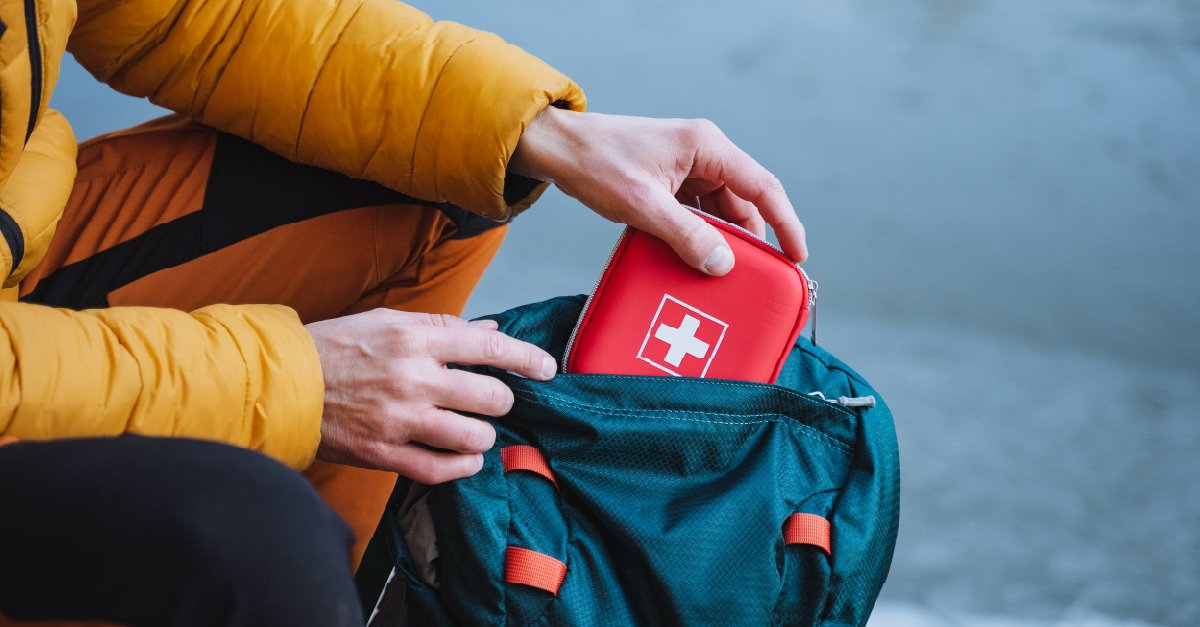
As hard as it is to imagine a disaster happening, taking some action to ensure you're prepared goes a long way to protect yourself, your family and your community during an emergency.
This week, everyone is encouraged to spend just 20 minutes a day considering potential risks, creating a household emergency plan and building an emergency kit.
When a natural disaster like a flood, earthquake or fire, or something like an intruder or break-in affects your ability to get home or stay home, an emergency plan and grab-and-go kit are essential.
At ClaimsPro, our claims adjusters help thousands of people each year recover from disasters. Here’s our best advice for six types of critical information and documents to have accessible – in both print and electronic form – during and after an emergency:
- 1. Contact information for family and friends: you may need to contact to ask for help, confirm you’re safe, collect everyone together – with or without the use of cell service or power. Ensuring phone numbers and email and street addresses for important contacts are readily available will be critical, especially when you can’t remember in the fog of a crisis. Knowing your email password, that is typically saved, will be necessary for remote login. Keep extra phone charger cords and batteries in your emergency kit.
- 2. Your Homeowners’ and Auto Insurance policy: you’ll want to prove you’re insured. Keep paper and electronic copies (photo on your phone, saved file to the cloud or on a flash drive) – with your broker’s contact information, your insurer information, and how to make a claim (phone, email, app).
- 3. Important identification: you may need to prove your identity. Collect copies of certificates (birth, marriage), passports, proof or residence, driver’s license, titles to vehicles and car insurance, deeds to your home, social insurance numbers – as a means of confirming your identity and/or rebuilding after a loss.
- 4. Banking information: you may need to access your accounts in different ways than you do everyday. Include account numbers, credit card information, banker and financial advisor contact information. And have some cash on hand to tie you and your family over for two to five days, in case cell towers or bank machines are down for example.
- 5. Means of identifying the contents of your home: you may need to identify what’s been damaged and the value of replacing. Best to itemize, keep receipts, take video of rooms and furnishings and/or save photos of valuable items or collectables and any appraisals related to those items.
- 6. Contact information for key contractors like electricians and plumbers and other service providers: you may need help during and after an emergency to secure and restore your property – onsite or remotely.
This Emergency Preparedness Week is your annual reminder to get prepared:
If you were to lose everything, what would make it easier to rebuild?
More information to make your emergency plan and prepare your kit are available here: getprepared.ca.